Make slow or fragile software reliable.
We fix software that keeps breaking, slows down as you grow, or came from a team that's no longer around. From performance work to legacy system modernization, we find out why it fails, fix what matters first, and leave it easier to run.
Senior engineers only, and we read the code before we recommend anything.
For products that work, but not well enough.
Most of the systems we're asked to fix are in one of three states.
It keeps breaking
Outages, errors after every release, bugs that come back. We find the causes, not just the symptoms, and add the tests and monitoring that stop them returning.
It slows down as you grow
Pages that crawl, reports that time out, a database under strain. We measure where the time goes and fix the parts that matter before more customers arrive.
You inherited it
Built by an agency, a freelancer or a team that's moved on, with little documentation. We map how it works, write it down, and make it safe to change again.
Good fit if
- Your product works but keeps breaking, or slows down as you grow
- You've inherited a system from another team
Not a fit if
- You want a full rewrite before anyone has looked at the code
What fixing and scaling covers.
We start with what's hurting your customers, then work outward. Each part comes with the technical detail underneath.
Finding out why it breaks
Reading the code, the logs and the incident history to find root causes. You get a plain-language report of what's wrong, what to fix first and what can wait.
Under the hood- Code audit
- Incident response
Making it fast
Measuring where the time goes, then fixing slow queries, heavy pages and the parts that do the same work twice.
Under the hood- Performance
- Query tuning
- Redis caching
Seeing problems before your users do
Monitoring and alerts on the things that matter, so you hear about trouble from a dashboard, not a customer.
Under the hood- Observability
- Alerting
Making it safe to change
Automated tests around the risky parts, so new features stop breaking old ones and releases become routine.
Under the hood- Automated testing
- CI/CD
Modernizing legacy systems in steps
Replacing the oldest, riskiest parts one at a time while the system keeps running. No big-bang rewrite, no frozen roadmap.
Under the hood- Refactoring
- Legacy modernization
Ready for more load
Load testing to find the breaking point before your users do, then moving it well out of reach.
Under the hood- Load testing
- Scaling
If the real problem is hosting, releases or the cloud bill, see managed cloud.
Reliability work we've done.
How a fix-and-scale engagement runs.
We look before we touch anything, then fix in order of what hurts most.
Discovery sprint
One week reading the code, logs and incident history. You get a written diagnosis and a priority list, yours to keep either way.
Plan
A signed scope with a fixed price per milestone, and a point after each milestone where you can stop.
Stabilize
The fixes that stop the worst incidents first, with monitoring so you can see the improvement.
Improve
Performance, tests and modernization in short cycles, with the system running throughout.
Hand over
Docs and a codebase your team can change with confidence, plus optional ongoing support and managed hosting.
Discovery sprint
- Price
- Quoted upfront
- Length
- 1 week
One focused week before any build. We dig into your idea or your system, find the risks early, then hand you a plan you can act on, with us or without us.
- An architecture plan written in plain language
- Scoped milestones with time and cost estimates
- The main risks and how we'd handle them
- A roadmap you keep, whether or not you continue with us
Fix and scale questions.
Do we need to rewrite our software?
Usually not. Most systems have a solid core and a few parts that cause most of the pain. We fix those first and replace the riskiest parts in steps while the system keeps running. If a rewrite really is the right call, we'll explain why in plain terms before you commit to anything.
Can you work on code another team wrote?
Yes. We start by reading it and running it, then write down how it works, so the knowledge lives in documents rather than in one person's head.
How do you find out why our app is slow?
We measure before we change anything: which pages, queries and background jobs take the time, and under what load. Then we fix the biggest causes first and measure again, so you see the difference in numbers.
What is legacy system modernization?
Legacy system modernization is updating an old system so it's safe and affordable to keep running and changing: supported technology, tests around the critical parts, and a clearer structure. Done in steps, it carries far less risk than replacing everything at once.
How quickly can you respond to production problems?
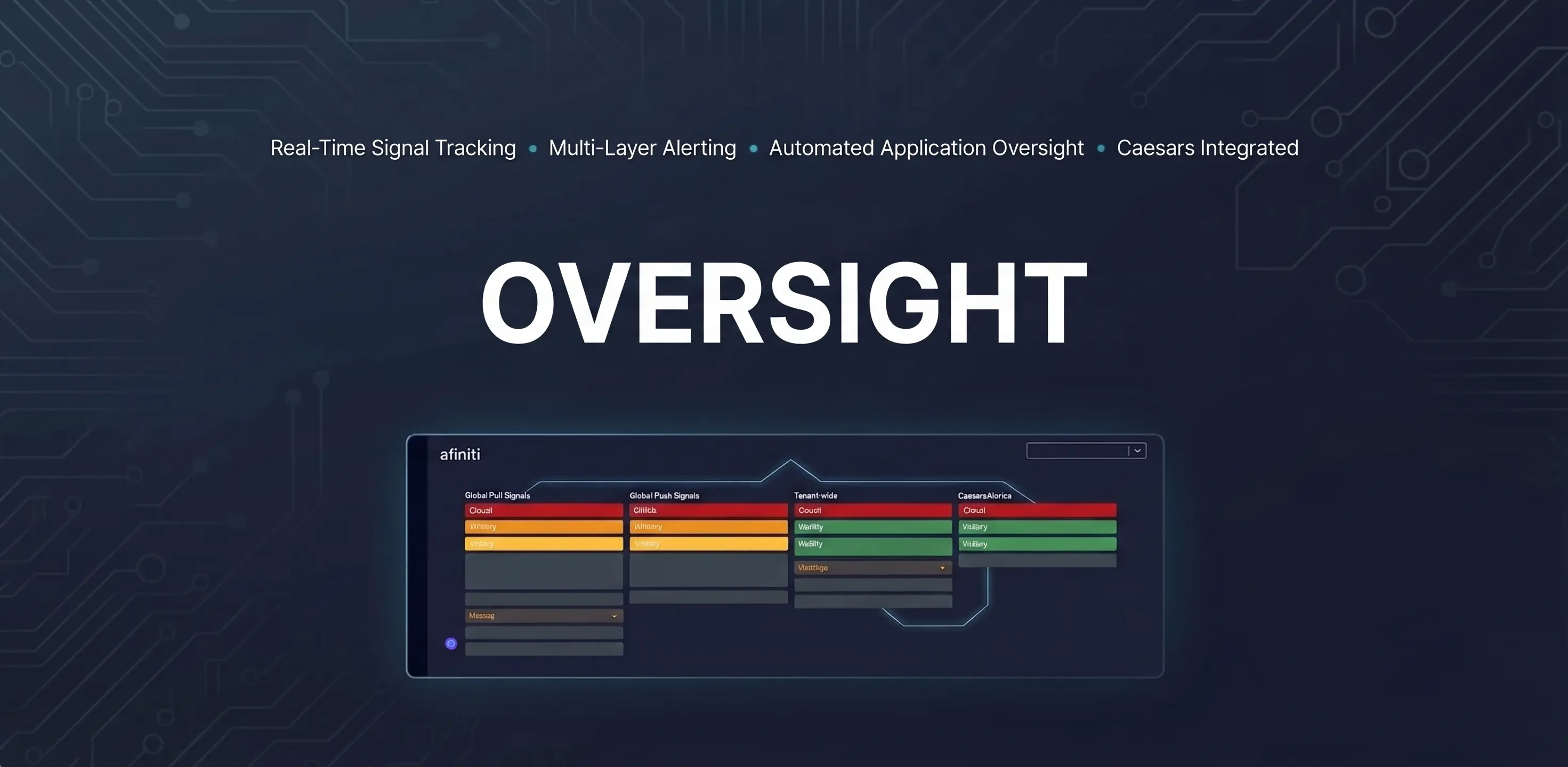
For systems we look after, response times are agreed up front. On the enterprise AI servers we worked on at Afiniti, most production bugs were fixed the same day, and larger issues within two to three days.
How much does fixing or scaling software cost?
The discovery sprint is quoted upfront and ends with a priority list. Each fix after that is a fixed price per milestone, agreed before work starts, so you can stop after any stage.
Is your software holding you back?
Tell us what keeps breaking or slowing down. We reply within one working day.